|
|||||||||||||||||||||||||||||||||||||||||||||
|
| |||||||||||||||||||||||||||||||||||||||||||||
|
The Bonus Features That Often Signal a Volatile Slot
https://www.pexels.com/photo/people-playing-slot-machines-7594262/
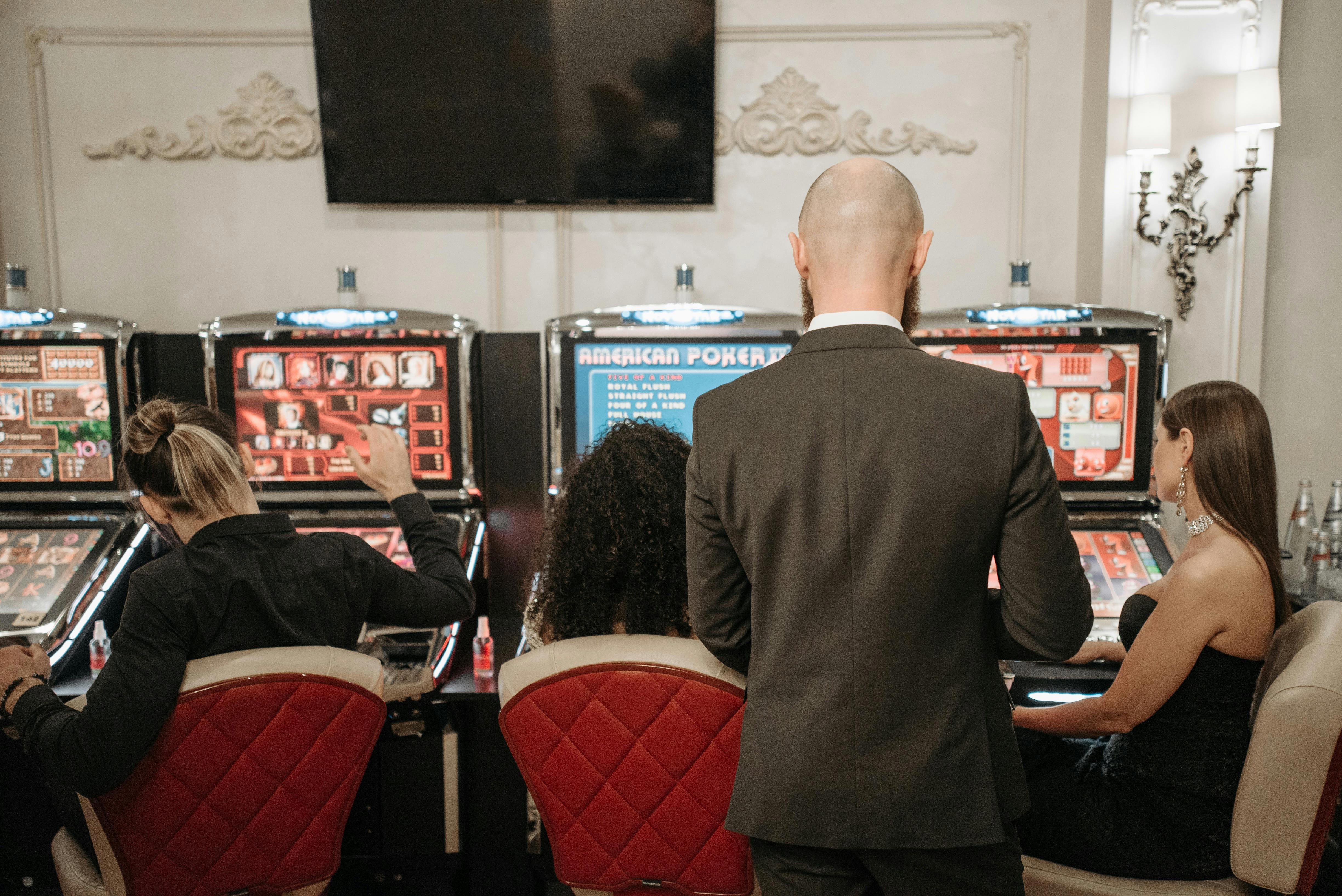
ALT text: Players seated at slot machines
A slot can advertise free spins and still feel fairly steady. Another can
look simple on the surface and then swing hard because most of its value
is packed into one feature. That is why bonus language deserves more
attention than theme, artwork, or even first impressions. If you want to
judge how a slot may feel over time, the useful question is not just what
a feature does, but where the game seems to hide its biggest moments.
That question matters because uncertainty changes how people read patterns
and outcomes, not just in games, but in decision-making more broadly. A
recent open-access
meta-analysis on uncertainty processing
highlights how people respond differently when outcomes are incomplete or
unpredictable, which helps explain why two slots with similar headline
numbers can still feel completely different.
Where Feature Language Becomes Useful
The fastest way to make these terms meaningful is to compare them in a
real slot environment, instead of treating them like disconnected glossary
entries. On
SlotsLV,
the slot catalog is presented with the kind of feature language that
matters here, including free spins, extra spins, wild symbols, scatter
symbols, and multipliers.
Seeing those terms repeated across different games helps you notice an
important pattern: some slots use bonus features as steady support, while
others use them as the main container for their standout moments. That
difference often shapes whether a game feels calm, feature-dependent, or
sharply bursty. Read that way, a multiplier is not automatically a
volatility signal, and neither is a scatter.
What matters is whether the game appears to save most of its energy for a
triggered event, rather than spreading it through ordinary play. Once you
start comparing descriptions through that lens, SlotsLV offers a practical
way to connect feature language to session rhythm without relying on
guesswork. If you want to carry that comparison one step further, this short video explainer on high-volatility slots works well as a follow-up. It explains how bonus rounds, multipliers, pacing, and common myths shape the feel of a volatile slot, so the reader moves from terms on a page to behavior in play without a jump in topic.
**PLEASE EMBED THIS LINK**
https://www.youtube.com/watch?v=YMSJgF3usmk
What Scatters, Wilds, and Multipliers Quietly Suggest
Scatters are often the first signal worth checking because they frequently
trigger free spins or a separate bonus round. When a game puts real
emphasis on landing three or more scatters, that often suggests the base
game is only part of the experience. The slot may be designed so its most
memorable moments arrive after the trigger, rather than through ordinary
line hits alone.
Wilds need a little more nuance. A standard wild can simply help complete
combinations, but stacked, sticky, or expanding wilds often tell you that
the slot has moments where the reel behavior can change quickly. That
still does not guarantee high volatility. The better question is whether
those wilds appear often enough to support regular momentum, or whether
they show up as rarer events that reshape the board all at once.
Multipliers work the same way. A modest multiplier that appears often may
simply add texture. A multiplier that only arrives inside free spins,
during a late-stage feature, or after a specific chain of events is more
likely to concentrate value into fewer moments. That is why feature access
matters as much as feature size.
Why Hold and Win Often Feels More Concentrated
Hold and Win mechanics deserve their own category because they create a
very distinct rhythm. In many versions, special symbols lock in place,
respins continue while new symbols land, and jackpot values or collect
effects matter more than whatever happened a few seconds earlier. The
structure itself pushes your attention into a short burst.
That is one reason Hold and Win features often feel more concentrated than
a plain line-hit slot. The base game can stay relatively quiet, then the
feature arrives, and suddenly, the whole session seems to narrow around
that one state. A slot built this way may still have free spins, wilds, or
scatters elsewhere, but the emotional center of the game sits inside that
locked-screen moment. That design choice is often a stronger clue than a
theme label or a bold promise in the title.
The most useful habit is to stop reading bonus features as decoration.
Read them as pacing signals. Ask where the slot seems to store its biggest
shifts, how often the description suggests those shifts appear, and
whether the base game sounds active on its own.
That frame will not predict every session, but it will help you tell the
difference between a slot that sprinkles value throughout play and one
that saves its biggest changes for rarer moments. Research on
reward uncertainty and memory formation
offers an interesting final parallel: when anticipation and uncertainty
change the way attention works, the structure around a reward can matter
just as much as the reward itself before you ever hit spin.
|
||||||||||||||||||||||||||||||||||||||||||||
|
Copyright © 2022 Stormdark I.P. and Media. All rights reserved.
www.dice-play.com This site is for
personal use only and content may not be copied or reproduced in any form for any
purpose. Terms &
Conditions
Advertising
|
|||||||||||||||||||||||||||||||||||||||||||||